

According to an announcement from Commerce Secretary Howard Lutnick, the U.S. defense sector is bracing for early impacts from the proposed 25% tariff on steel and aluminum imports, which could take effect March 4. Originally slated for March 12, the advanced implementation date intensifies pressures on military equipment manufacturers, who rely heavily on these crucial metals.
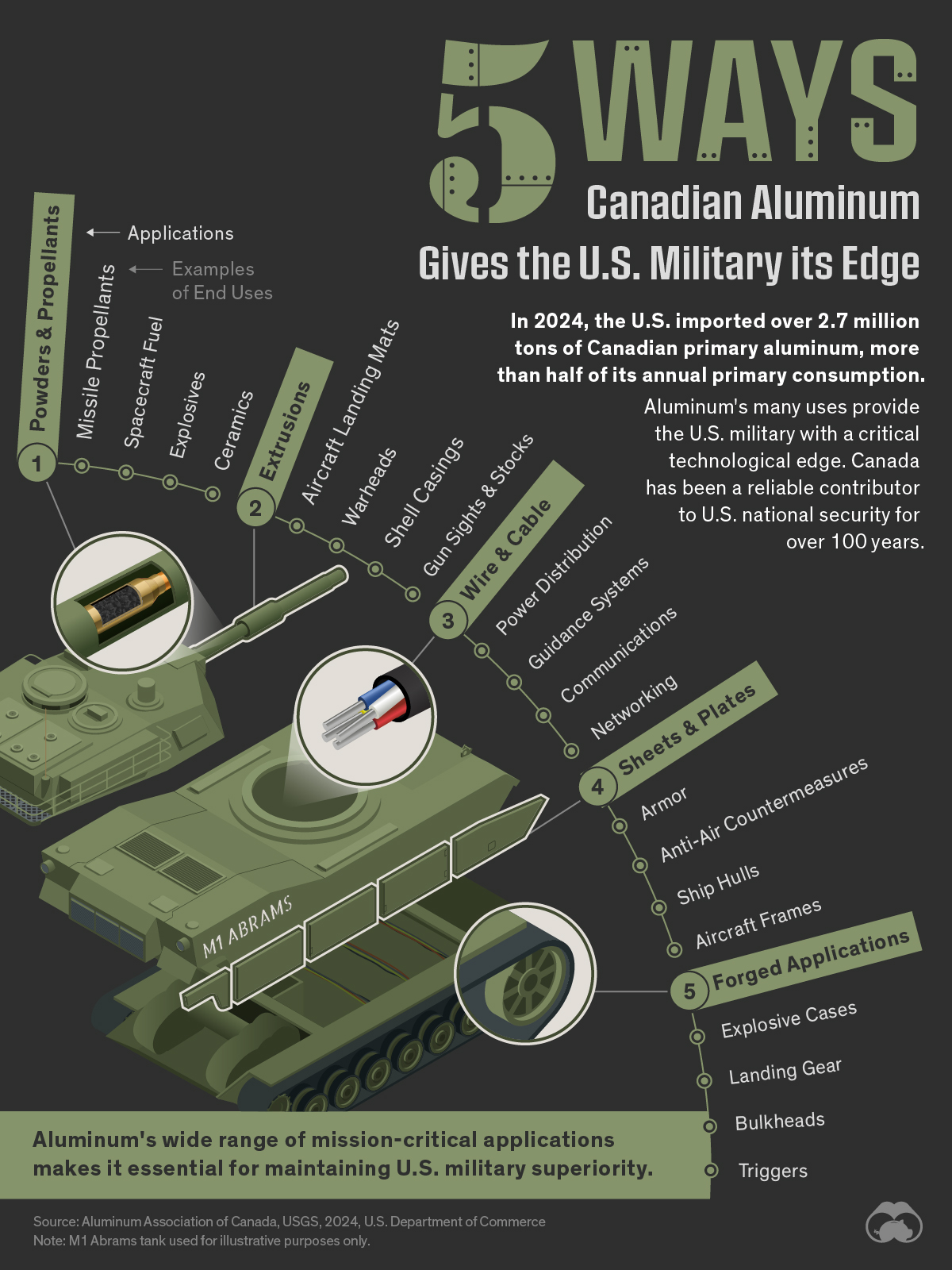
Canada is the largest supplier of steel and aluminum to the United States, accounting for 23 percent of U.S. steel imports in 2024 and almost 60 percent of U.S aluminum imports.
Steel and aluminum are critical in manufacturing an array of military hardware. Armored vehicles, which rely heavily on steel for their hulls and frames, are likely to see an increase in production costs. Similarly, aircraft manufacturers, who use both metals extensively for airframes and structural components, could face challenges in maintaining production timelines and cost efficiency.
 The naval industry is also vulnerable, as aluminum is crucial for constructing ship superstructures due to its strength and lightweight properties, which enhance stability and fuel efficiency. The increase in aluminum prices could potentially escalate the costs of building and maintaining the U.S. Navy’s fleet, including destroyers and littoral combat ships.
“The imposition of tariffs is likely to force a reassessment of current manufacturing processes and sourcing strategies, said Nicole Voigt, an expert analyst specializing in industrial metals such as steel, copper, and other essential manufacturing materials, “Companies must evaluate cost exposure, rethink sourcing strategies, and position themselves for an evolving trade landscape.”
This tariff policy has not only economic but also diplomatic ramifications, stirring tensions with key U.S. allies like Canada and the European Union, both major suppliers of these metals. Any retaliatory measures by these countries could further complicate the global supply chains and affect ongoing and future defense collaborations.
As the defense sector navigates these challenges, the broader implications for U.S. military readiness and procurement strategies remain a key area of concern. The industry, along with federal policymakers, will need to monitor the impact closely to mitigate potential adverse effects on national security capabilities.