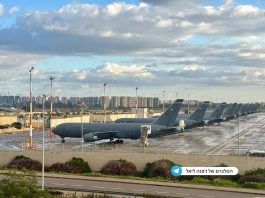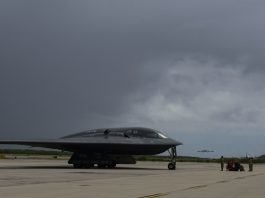

Early on 28 Feb 2026, the United States and Israel commenced coordinated military strikes against the Islamic Republic of Iran. The offensive appears to be a joint operation involving air and missile strikes on multiple Iranian cities and military targets, including facilities in Tehran and other key locations.
-
U.S. President Donald Trump described the campaign as the start of “major combat operations,” saying its objectives are to degrade Iran’s military and missile capabilities and to prevent Tehran from obtaining nuclear weapons.
-
Israeli officials said the strikes were pre-emptive and coordinated with the U.S., targeting high-profile Iranian leadership and security infrastructure.
-
Explosions and smoke plumes were widely reported over Tehran, prompting airspace closures, civil defense alerts, and schools and workplaces to shut down.
The military action marks the most significant escalation in U.S.–Iran tensions since talks aimed at limiting Iran’s nuclear program broke down and follows months of public warnings from Washington and Tel Aviv.
Iran’s Retaliatory Counter-Strikes Across the Region
Within hours of the U.S.–Israeli offensive, Iran launched a wide series of retaliatory missile and drone attacks against military targets in the region:
-
Iran’s armed forces targeted Israeli territory, with missiles reportedly intercepted over Jerusalem by Israeli air defenses.
-
A broad barrage of Iranian missiles was fired toward U.S. military bases in the Persian Gulf and Gulf Arab states — including facilities in Bahrain, Kuwait, Qatar, the United Arab Emirates, and possibly Saudi Arabia and Jordan.
Fifth Fleet Headquarters in Bahrain
Local authorities confirmed that the headquarters of the U.S. Navy’s Fifth Fleet in Bahrain was targeted by Iranian missiles and that civilians in surrounding districts were being evacuated amid ongoing security operations.
-
Eyewitness and media reports show smoke and explosions near the Fifth Fleet facility; official damage assessments and casualty figures have not yet been released.
Casualties and Civil Impact
Independent casualty figures are still emerging, but multiple outlets report that dozens of civilians were killed by strikes in Iran. Iranian state media reported heavy casualties, including at a girls’ school in the city of Minab, though these figures have not yet been independently verified.
Regionwide, at least one death was reported in the UAE from falling debris tied to Iranian missiles.
Civilian infrastructure and everyday life across the Middle East has been profoundly disrupted:
-
Commercial flights have been suspended or diverted.
-
Airspace closures have been implemented by Israel, Iran, and neighboring states.
-
U.S. embassies in Bahrain, Qatar, and other states issued shelter-in-place orders for their personnel.
Current Assessment
As of this update:
-
Major combat operations between the U.S., Israel, and Iran are ongoing.
-
Regional retaliation by Iran is actively targeting U.S. military bases and Israeli territory.
-
Casualty figures and strategic outcomes remain fluid, with reporting still developing.
This confrontation represents the most severe direct military clash between the U.S., Israel, and Iran in decades and could have profound implications for regional security, global energy markets, and international diplomatic alignments if sustained.