The airstrikes were just the opening punch.
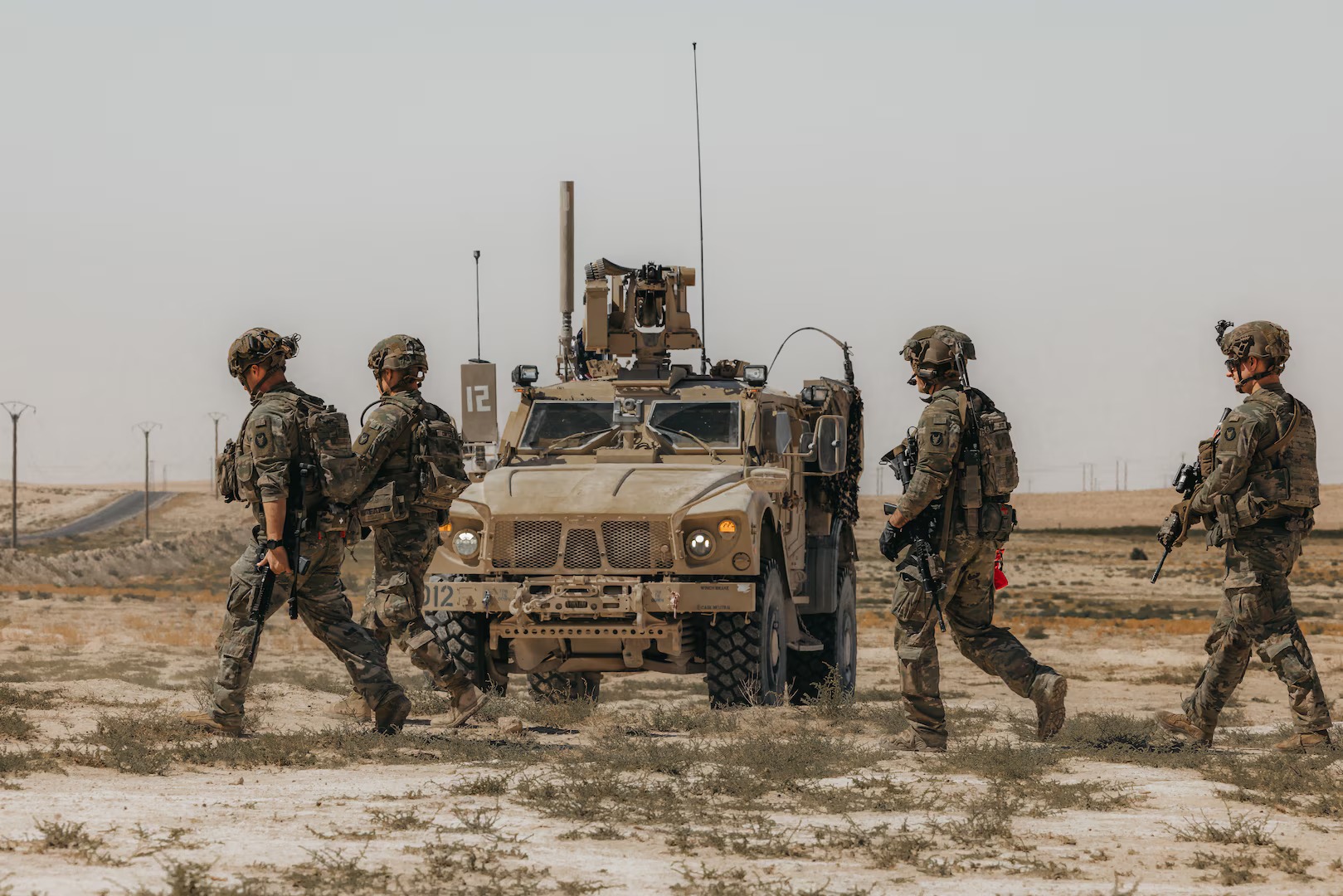
After a large-scale strike across central Syria on Dec. 19, U.S. and partner forces spent the next ten days hunting down what survived. According to U.S. Central Command, nearly 25 ISIS operatives were killed or captured in a series of follow-on raids conducted between Dec. 20 and Dec. 29.
At least seven ISIS fighters were killed outright. The rest were taken off the battlefield in 11 separate missions. Four ISIS weapons caches were also wiped out.
The follow-up operations came after Operation Hawkeye Strike, when U.S. and Jordanian forces unloaded on more than 70 ISIS targets using over 100 precision munitions. Fighters, attack helicopters, and artillery went after command nodes, weapons sites, and logistics hubs—the stuff ISIS needs to move, fight, and survive.
CENTCOM commander Adm. Brad Cooper summed it up simply: the job isn’t done when the bombs stop falling.
And the threat hasn’t gone away. CENTCOM says ISIS either inspired or attempted at least 11 plots or attacks against U.S. targets in 2025 alone. Over the past year, U.S. and partner forces in Syria have detained more than 300 ISIS members and killed more than 20.
This is the part that never makes the highlight reels. Airpower breaks things. Ground and partner forces finish them. Without the mop-up, ISIS regroups, recruits, and resurfaces.
For now, Hawkeye Strike and the raids that followed send a clear message: ISIS doesn’t get time, space, or a recovery period.
You hit them.
You hunt what’s left.
And you don’t let up.